
Federal Budget points to a bigger economic opportunity in energy flexibility
Blog
>
Energy
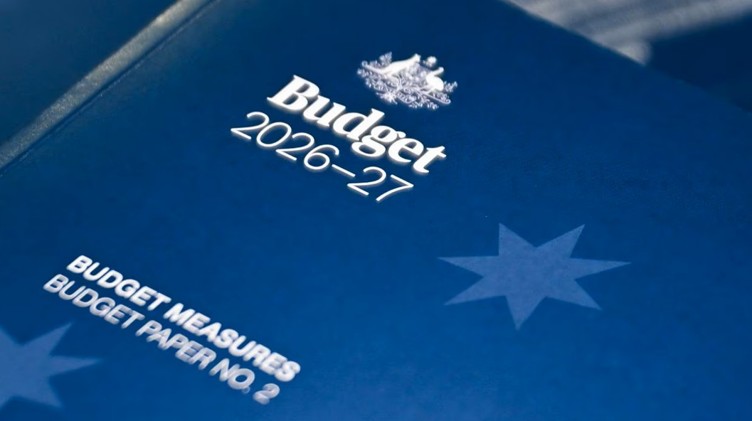
The Federal Budget confirms what PowerSync is seeing across the market: Australia’s energy transition is no longer just about building more generation. It is increasingly about coordinating flexible energy assets so they can support the grid and create economic value.
For industrial energy users, energy volatility has too often been treated as something businesses simply have to absorb. Wholesale price spikes, network constraints, renewable intermittency and changing market conditions flow through as cost, risk and uncertainty. By participating in the energy market, that same volatility that creates exposure, also creates opportunity.
The Budget’s support for Consumer Energy Resources coordination, batteries, AEMO digital systems and market reform strengthens the commercial logic for partnering with PowerSync. It shows government policy moving toward a future where distributed assets are not passive. They are expected to be visible, coordinated and capable of supporting reliability across the energy system. Reforms are intended to support the effective integration and coordination of rooftop solar, home batteries and other distributed assets into the electricity system.
That is a clear policy signal. The future energy system will rely not only on more assets, but on better coordination of those assets.
Industrial sites often already have flexibility sitting inside their operations: batteries, on site generation, flexible production processes, refrigeration, pumping, HVAC systems, EV charging infrastructure or other controllable load. When properly coordinated, those assets can respond to market signals, support system reliability and create new revenue streams.
This strengthens the long-term case for energy users to stop thinking about flexibility as a passive operational feature and start treating it as an economic asset.
Through its technology platform and managed service model, PowerSync helps industrial energy users turn operational flexibility into monetisable energy market capacity. Customers can access market opportunities without needing to become energy traders, build specialist market capability, or take on the complexity of direct market participation.
The strategic benefit is simple: instead of being only exposed to energy market shocks, industrial businesses can begin to benefit from the same market conditions that create those shocks.
Retailers, asset owners and energy service providers that help customers coordinate flexibility will be better positioned as policy, regulation and market design increasinglysupport distributed participation. The Budget makes the direction clear for continuing to build a more flexible, distributed and coordinated energy system.
As the energy system becomes more volatile, distributed and dynamic, the advantage will sit with those who can coordinate flexibility, not simply those who own assets. PowerSync helps industrial energy users and partners capture that advantage.
Share this post
- Blog
Latest Insights and Trends
Explore the latest trends in energy technology and solutions.
.jpg)


- Level 2, 275 Alfred Street, North Sydney, NSW 2060
- 1300 101 429
- info@powersync.com.au